Operating model
The instrument remains with the host organisation; access is considered on site.
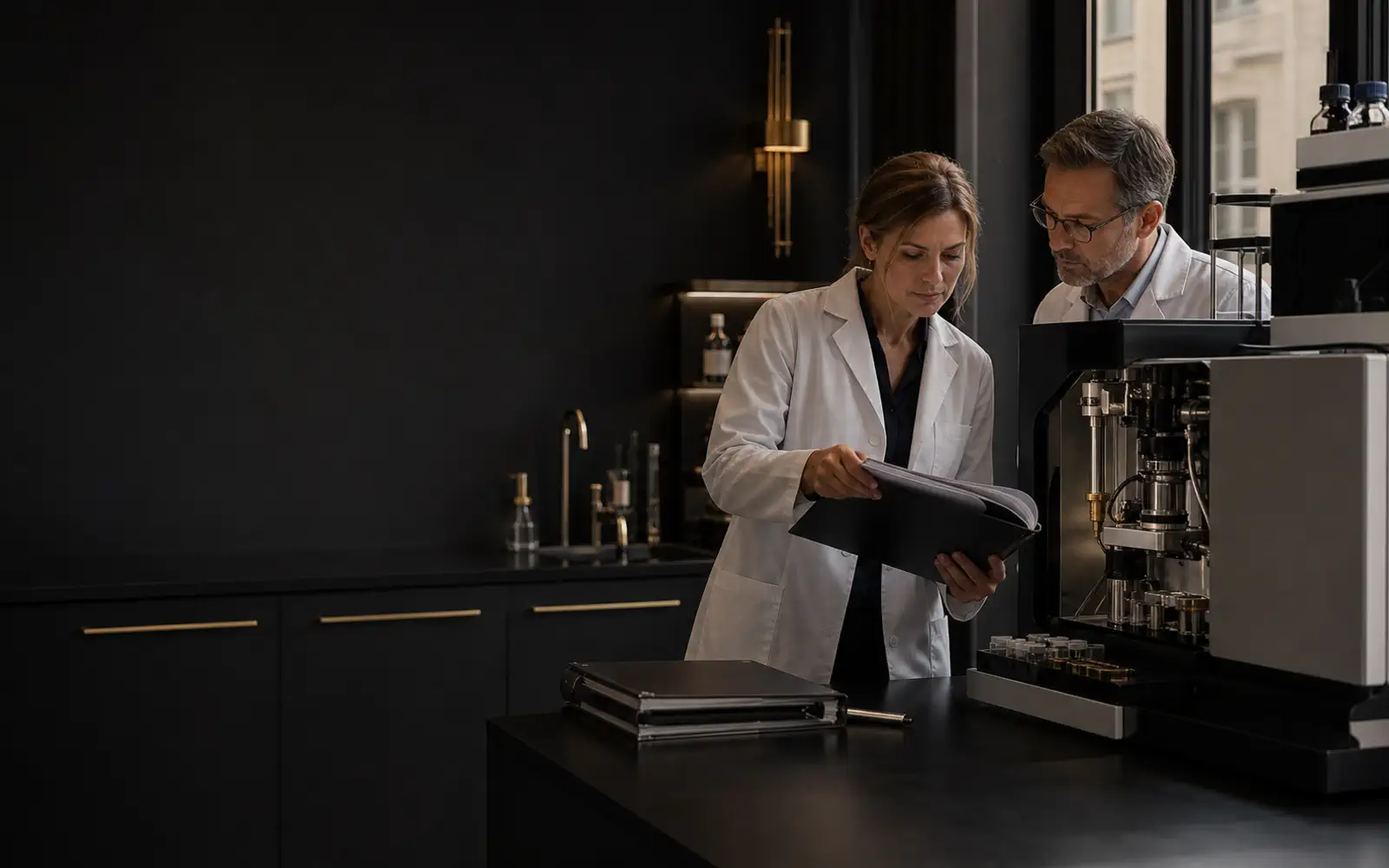
Co-founded venture · early product research
LabWallio is exploring how Austrian life-science organisations could offer or request on-site access to installed equipment without turning a sensitive laboratory workflow into an anonymous marketplace.
Ali is CTO and co-founder. The current public product is an information and early-access channel, not a live inventory, booking service, verified network or approved pricing system.
Decision signals
The instrument remains with the host organisation; access is considered on site.
Organisation identity, method fit, safety, confidentiality, availability and permission remain separate decisions.
Early product research and organisation discovery precede any claim of active booking or verified availability.
Official channels and contact
Follow LabWallio's verified channels for current early-access information and organisation enquiries.
The operating problem
A directory can show an instrument. It cannot decide whether a method, sample, operator and host policy can safely meet around that instrument.
Laboratory access crosses organisational identity, confidentiality, technical suitability, safety, scheduling and commercial boundaries. Treating it as a simple listing problem would hide the decisions that carry the real responsibility.
LabWallio therefore starts with host-controlled conditions and demand discovery. A future transaction becomes possible only after each required gate has a named owner and review path.
System method
The product logic keeps discovery, verification, permission and commercial agreement as distinct states.
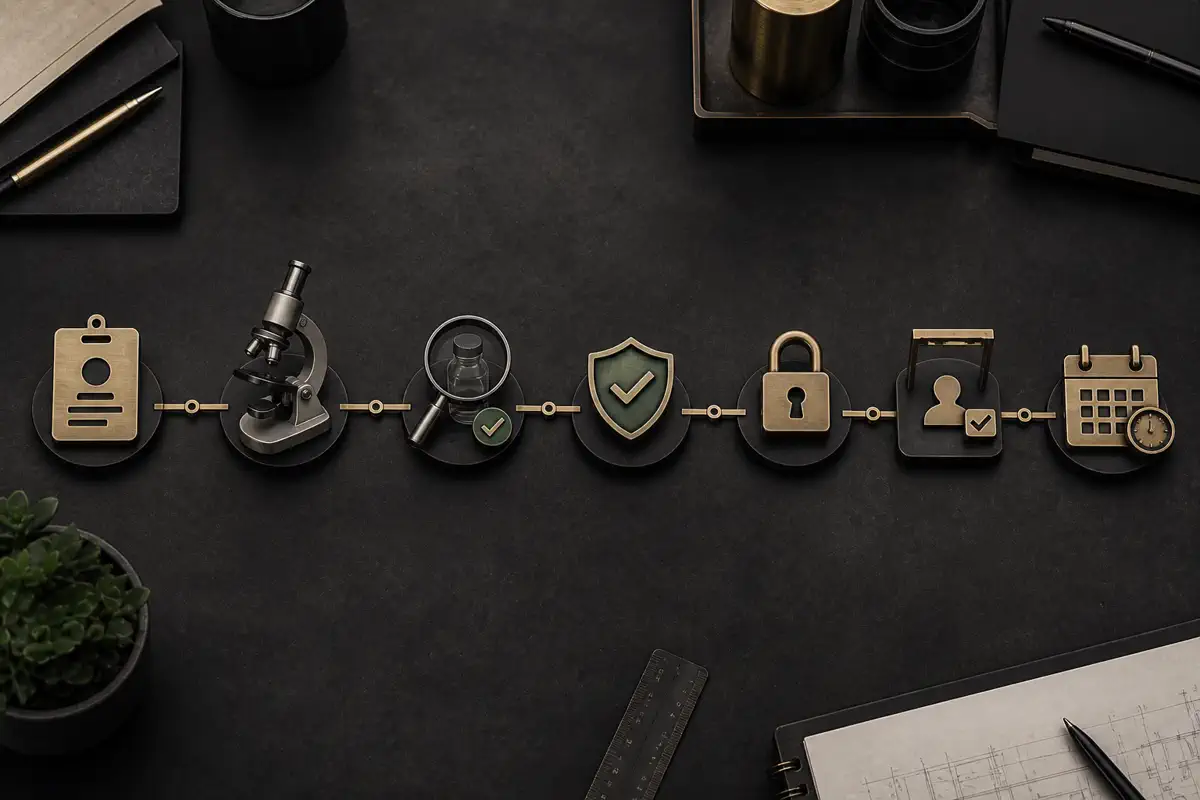
Capture equipment demand, possible host capacity and the non-negotiable conditions on each side.
Keep identity, NDA evidence, method review, safety, operator support, timing and price from collapsing into one misleading status.
Move from interest to a governed access workflow only when the responsible organisations approve the relevant conditions.
What the work produces
The current work is about making each state and responsibility explicit before scale.
Structured records of equipment needs, possible capacity and institutional constraints.
Separate decisions for identity, confidentiality, method, safety, availability and permission.
A path in which the instrument remains installed and the host retains operating authority.
Open questions about support, consumables, pricing and responsibility remain visible until validated.
Illustrative operating scenario
Illustrative operating situationIllustrative scenario — not a customer case
An Austrian biotech team needs occasional access to a specialised analyser. A nearby organisation may have capacity, but the sample method, operator support, confidentiality terms and safety review are still unresolved. LabWallio’s role is not to imply an instant booking. It is to make the required organisational decisions visible and ordered.
Purpose: explain the method. No operating outcome is claimed. The situation explains the intended workflow. It does not state that equipment, access or a commercial agreement is currently available.
Execution roadmap
Collect organisation-level needs and conditions without publishing a live inventory.
Make every access gate, evidence requirement and responsible party explicit.
Assess operational and commercial assumptions before activating broader access.
Questions worth resolving
No live booking or verified inventory is represented on this page. The current product supports information gathering and early organisation conversations.
The initial model keeps the instrument with the host. Researchers travel to the approved site and follow the host organisation’s rules.
Ali Najafzadeh is CTO and co-founder, responsible for the technical foundation and the design of controlled organisation workflows.
Primary references
References inform the operating context; they do not imply endorsement.
Visit LabWallio
The official site explains the proposed access model, current boundaries and early-access route for Austrian organisations.